2nd-6th October – Around Lago Como
A few days of down time with Sue sightseeing, boating, walking and chilling out in and around Como before coming home.
And one last ride…
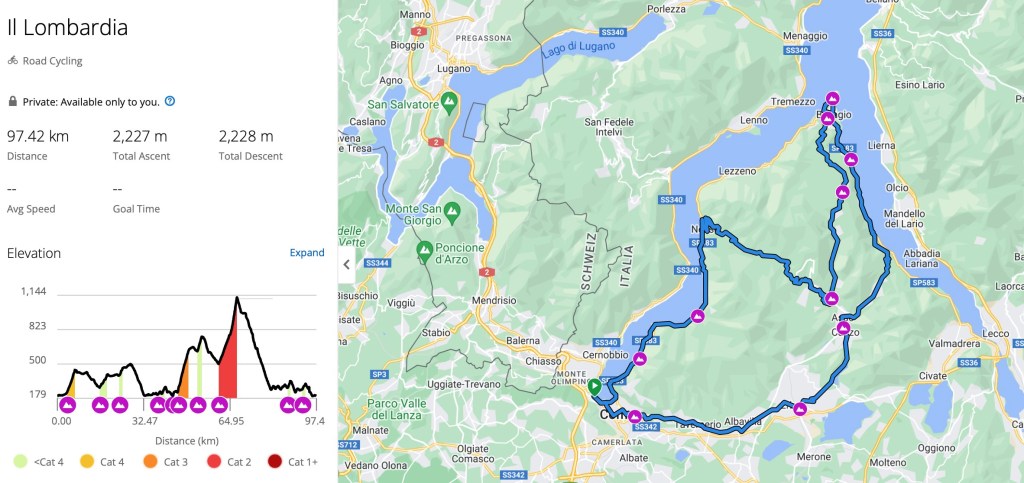
The Giro di Lombardia, or simply Il Lombardia and often referred to as the Classica delle foglie morte or Race of the Falling Leaves, is a bike race known for both its scenic views and challenging climbs. Held in early October, it’s the last race and one of the five “Monuments” (oldest, hardest, longest, and most prestigious one-day events) on the professional road cycling calendar.
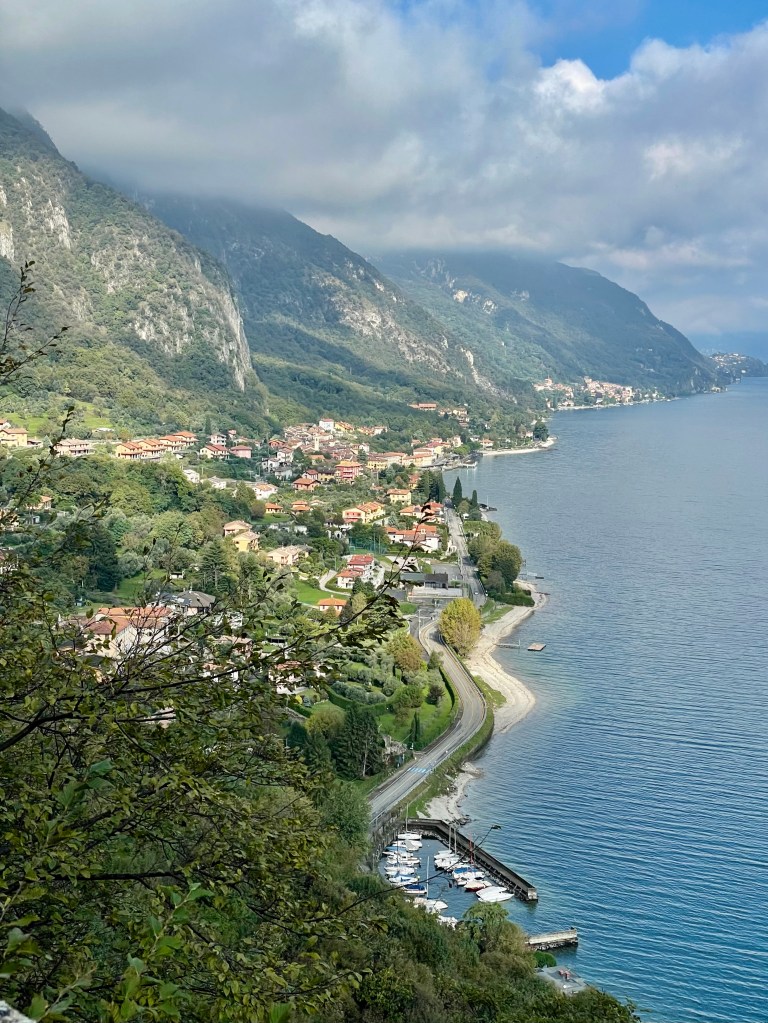
Also known as the Climber’s Classic for the number, length and steepness of the climbs, I tackled two of its most famous – the Madonna di Ghisallo and the Muro di Sormano.
Madonna di Ghisallo
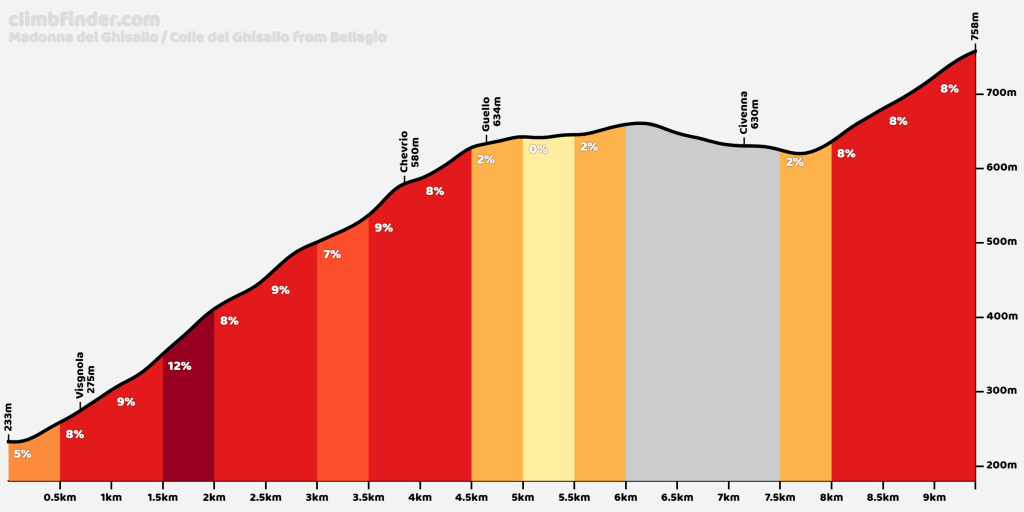
The Madonna di Ghisallo climb holds a special place in cycling culture.
The story of the Madonna del Ghisallo dates back to medieval times, where according to legend, Count Ghisallo was attacked by bandits near the village of Magreglio. He saw an apparition of the Virgin Mary and ran towards it, which saved him from the attackers. As a result, the Madonna del Ghisallo became known as the patroness of travellers in that area.
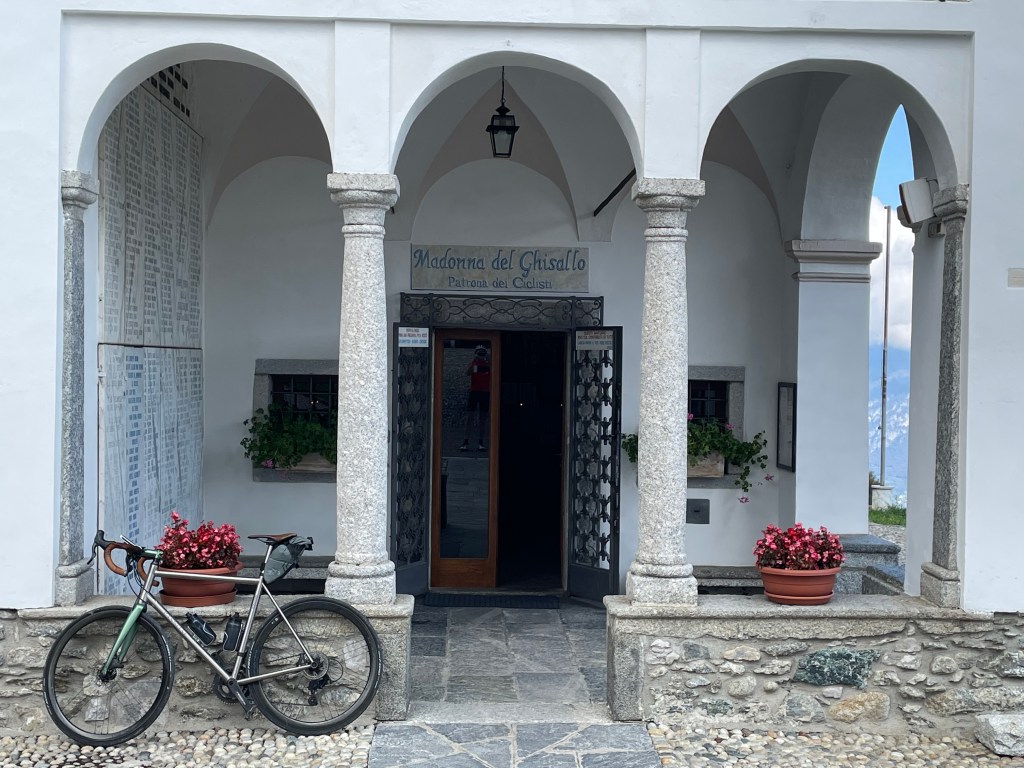
A dedicated small chapel was built on a hill above Lake Como. Following a proposal by local priest Father Ermelindo Vigano, the Madonna del Ghisallo was officially declared the patron saint of cyclists by Pope Pius XII in 1949.
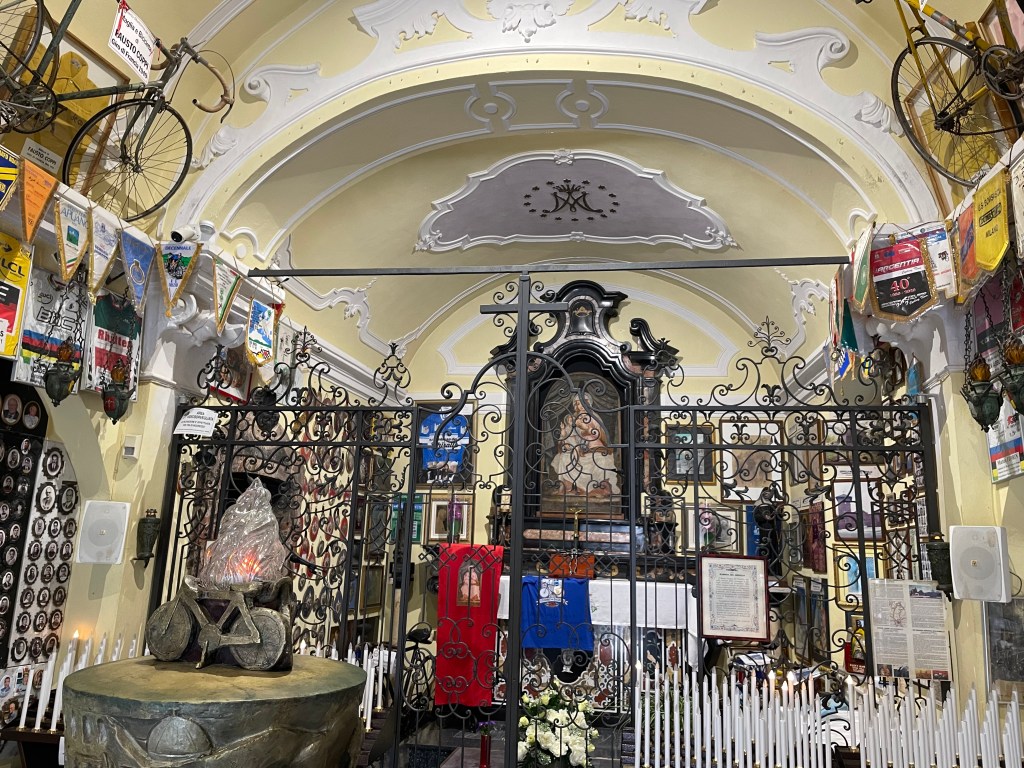
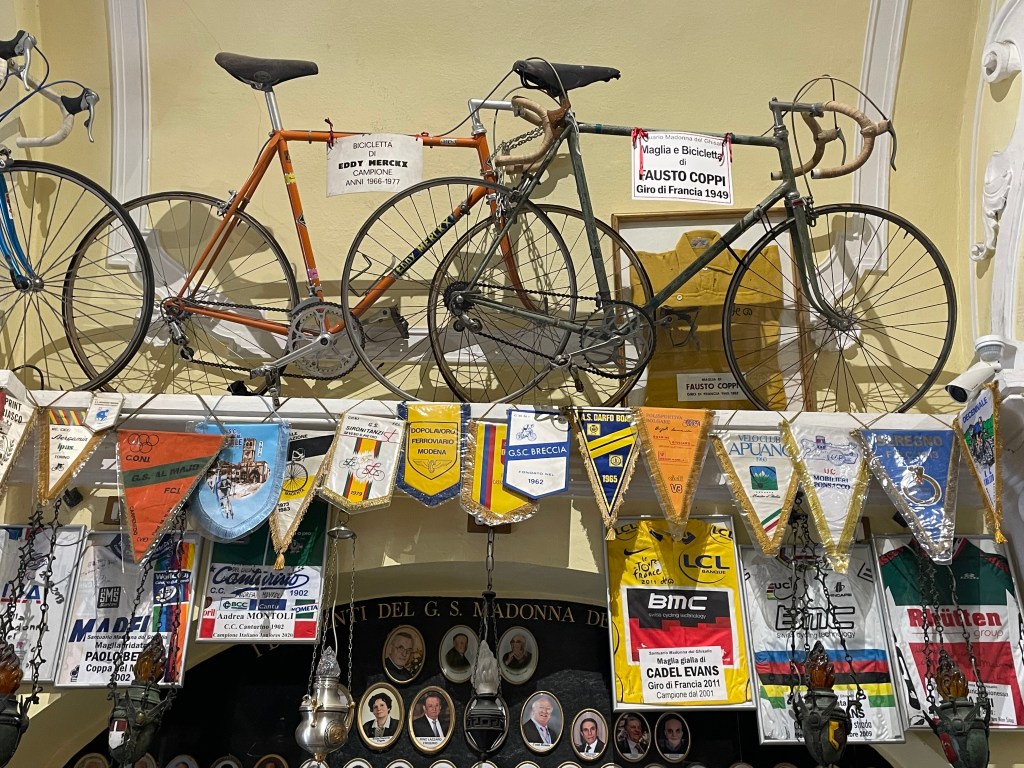
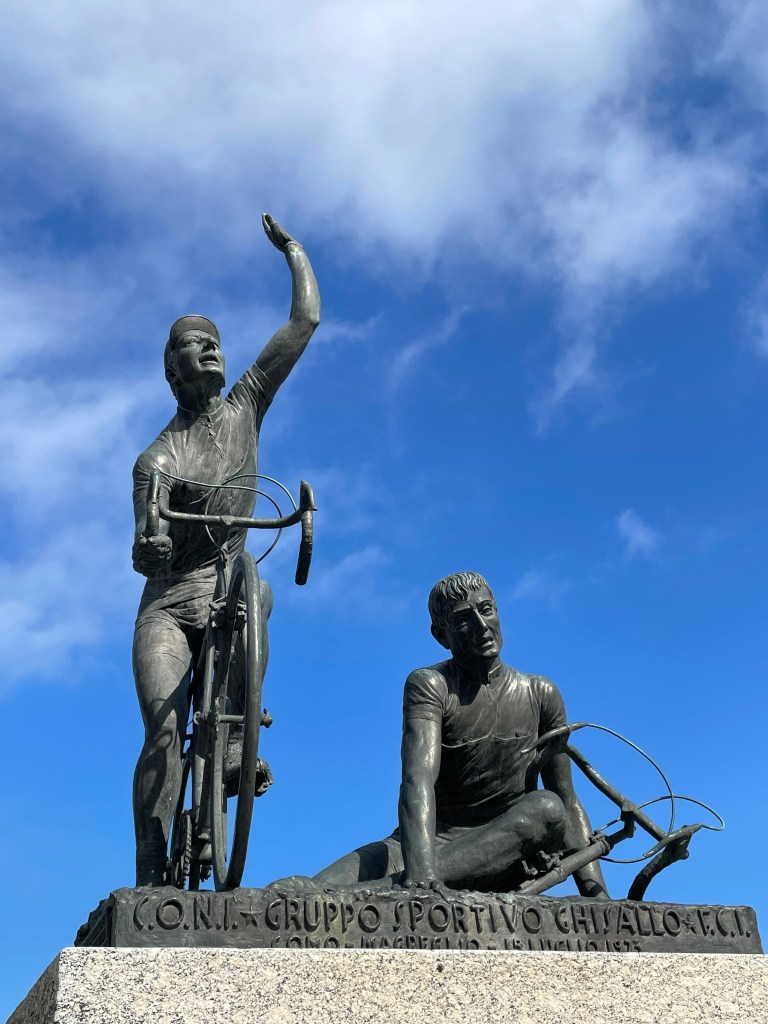
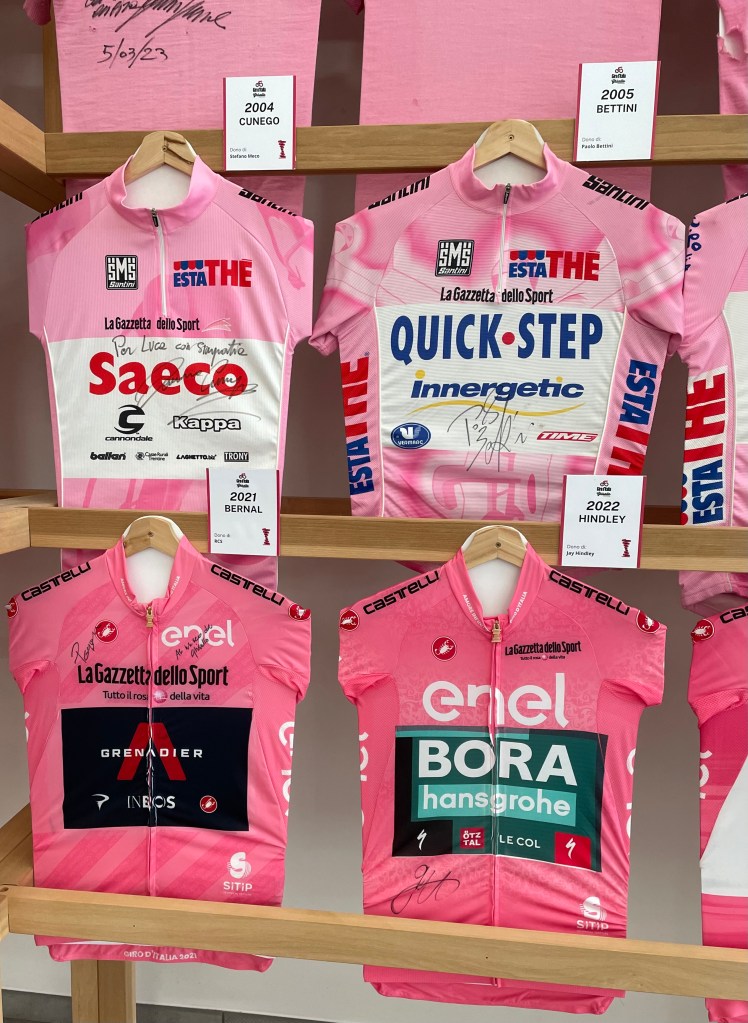
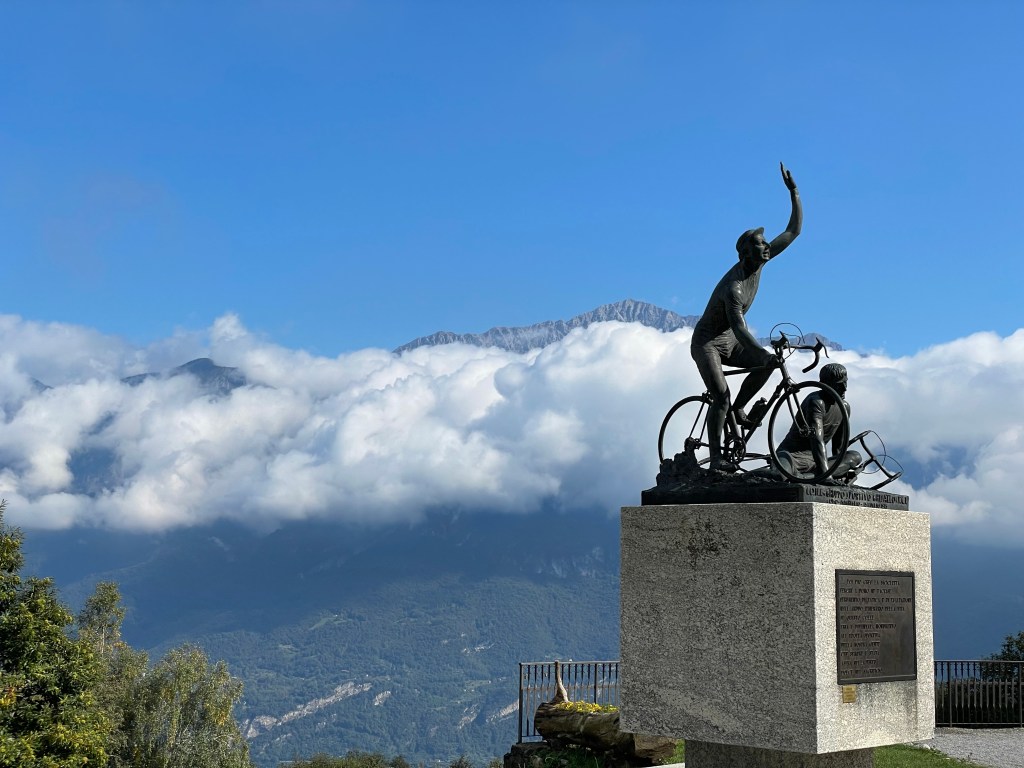
The chapel has since become a shrine to cycling and a pilgrimage for many cyclists from around the world. The chapel is adorned with famous cyclist memorabilia such as jerseys, bicycles, and photographs and an eternal flame burns in remembrance of cyclists who have been injured or died. Nearby are statues of cyclists and a Cycling Museum showcasing a vast collection of cycling history.
Muro di Sormano
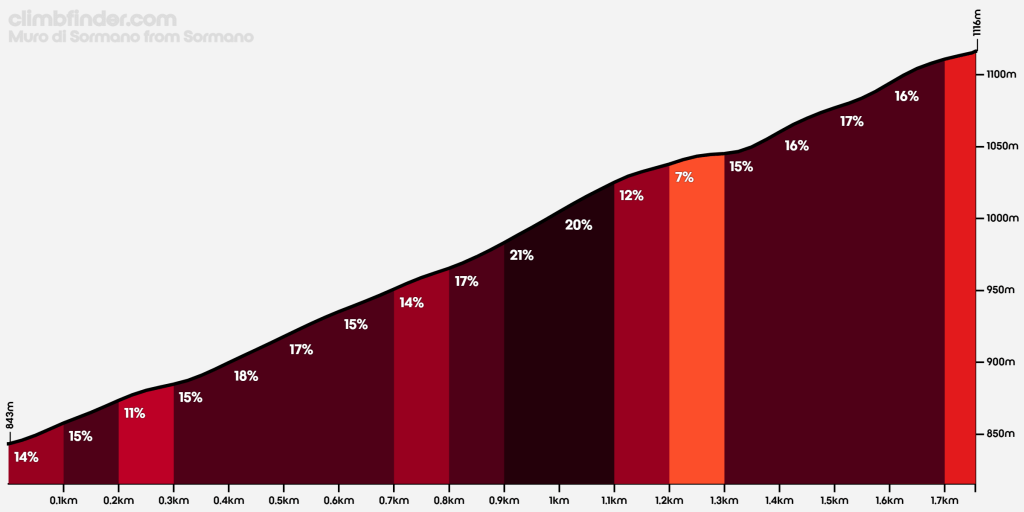
Il Muro (The Wall) di Sormano is considered one of the world’s toughest cycle climbs. It follows a narrow path closed to traffic through a wooded area for 1.8 km, bridging 273 vertical metres with an average gradient of 15.7% and pinches close to 25%. The path is painted with numbers indicating every vertical metre bridged emphasising the steepness of the gradient.
To spice things up, the climb begins after several kilometres of 6-7% gradients leading to the village of Sormano. Il Muro starts with a deceptively inviting flat section before abruptly rising at 14%.
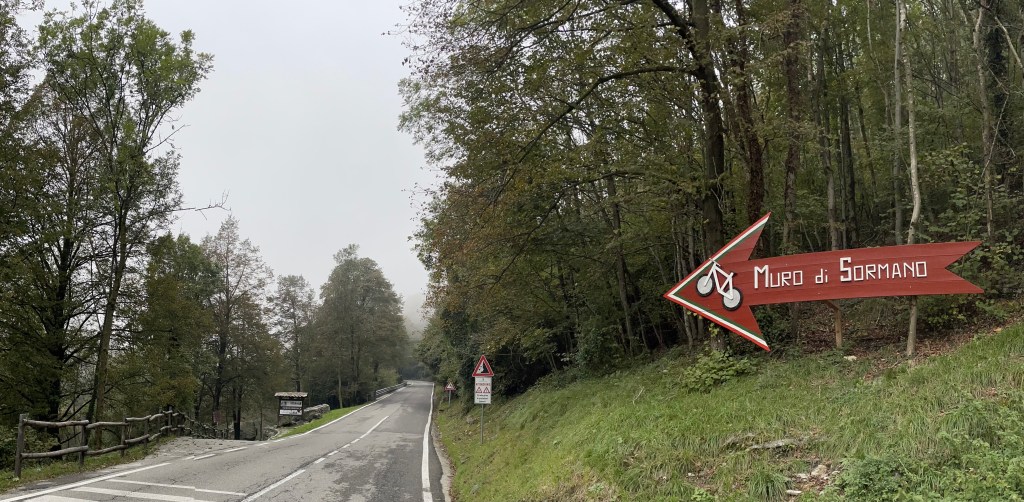
The day I rode, the path became quickly shrouded in fog. Visibility was at best 20-30m. This proved ‘helpful’ insofar as I was not distracted by the surrounding views or intimidating ‘wall’. However, the fog made the path damp and slippery requiring a rather precarious balancing act – stand up out of the saddle for more power and my back wheel would spin, sit back in the saddle for more traction and my front wheel would lift off the tarmac.
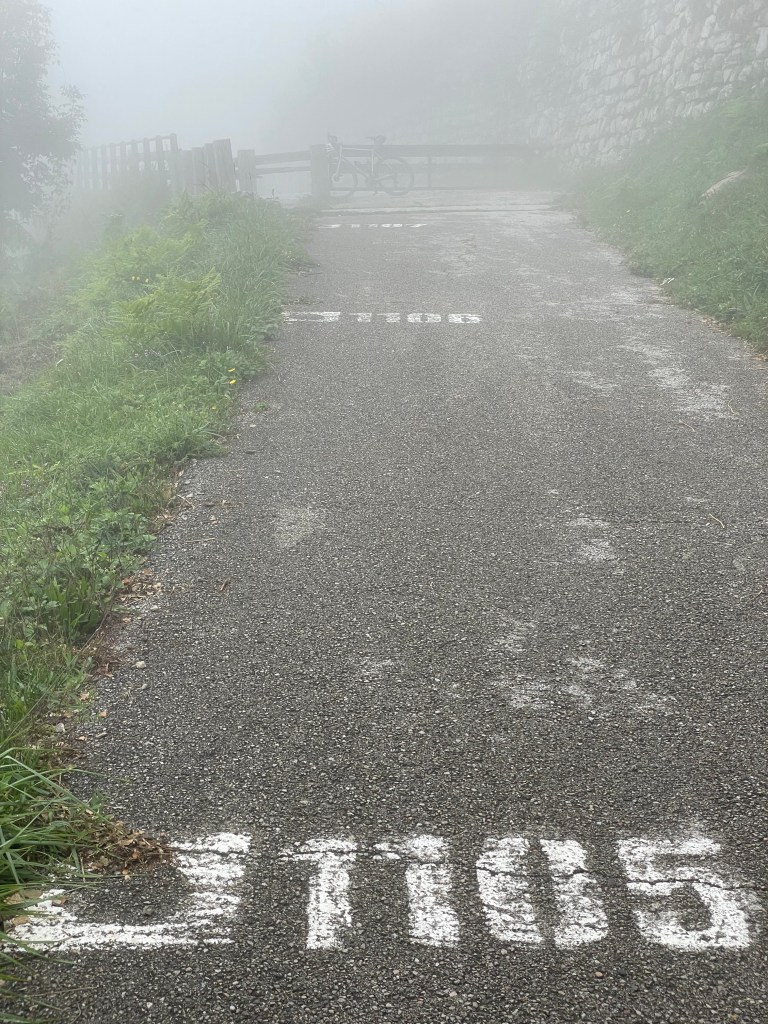
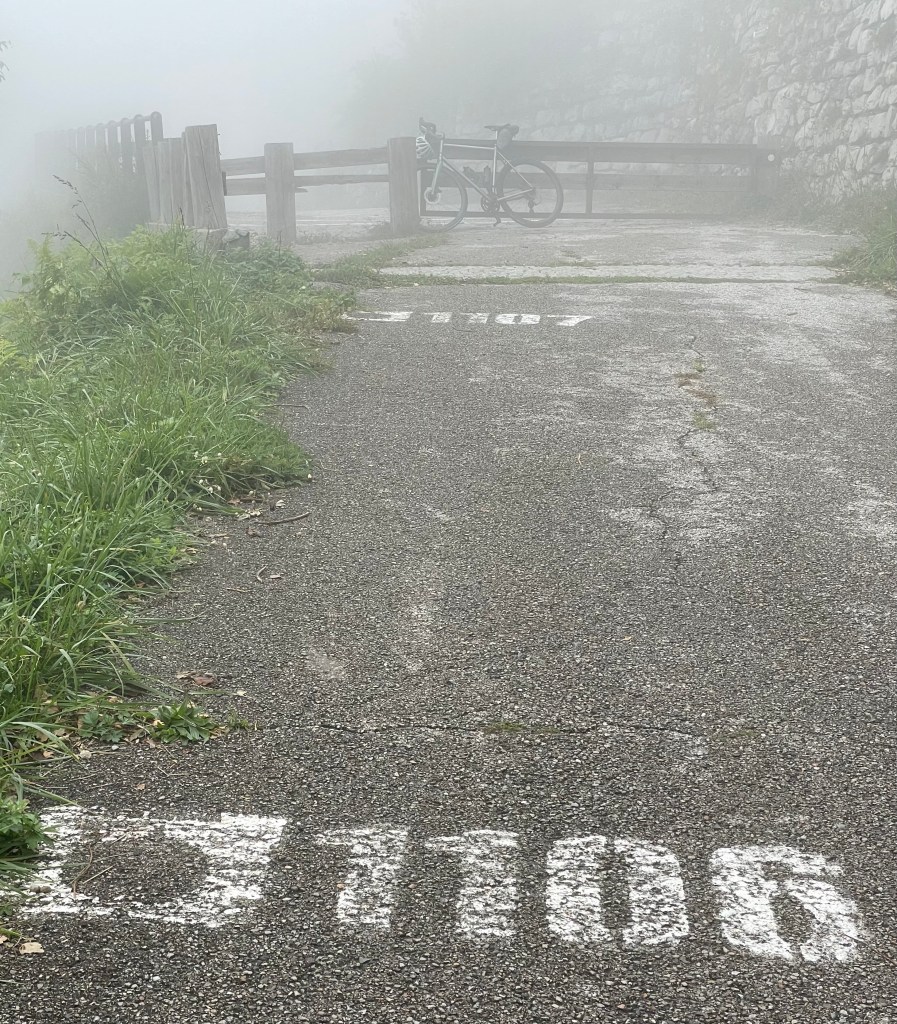
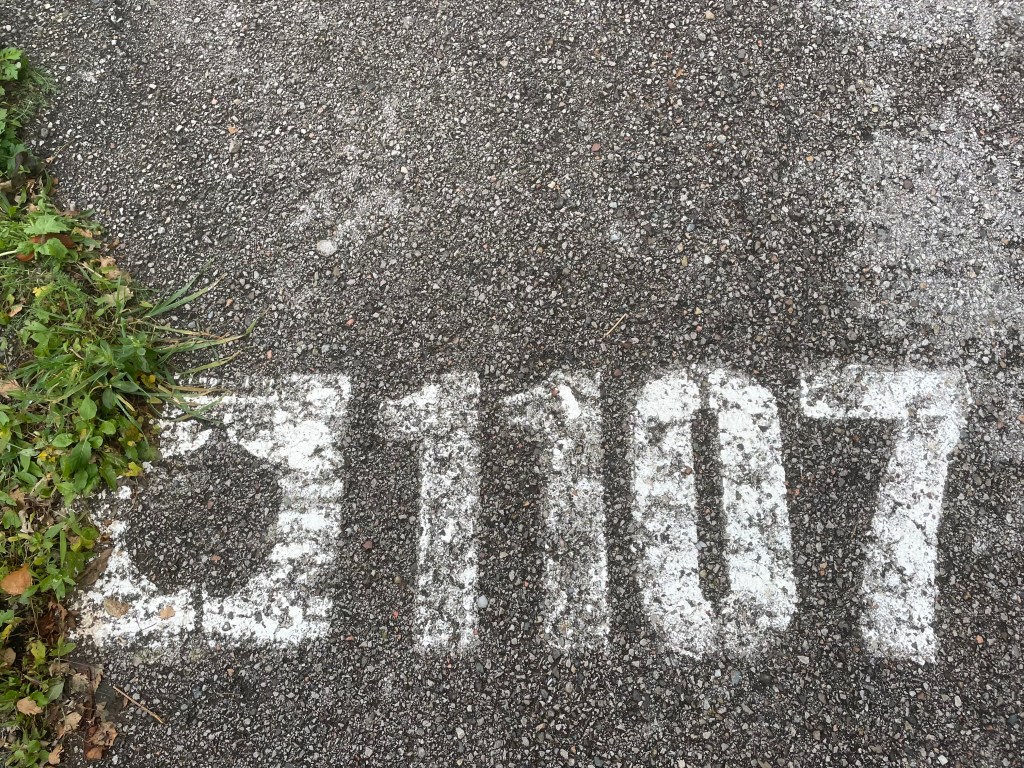
Fortunately, I managed to stay both upright and complete the climb. Once out of the cloud, a speedy descent followed by a leisurely afternoon riding in brilliant sunshine along the shores of Lake Como to top off a most memorable day.
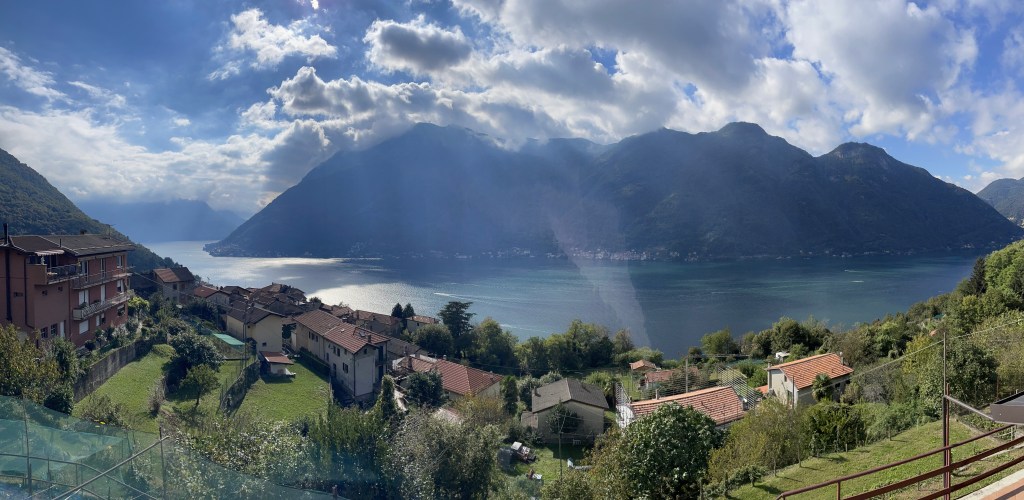
According to Garmin
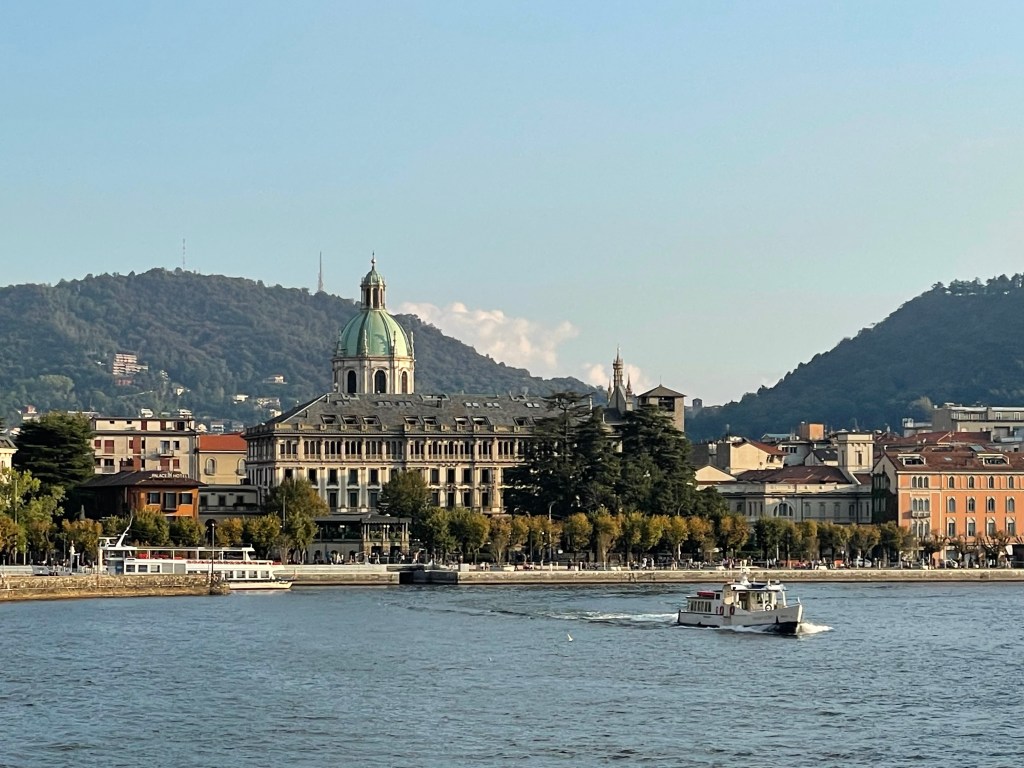
In and around Como
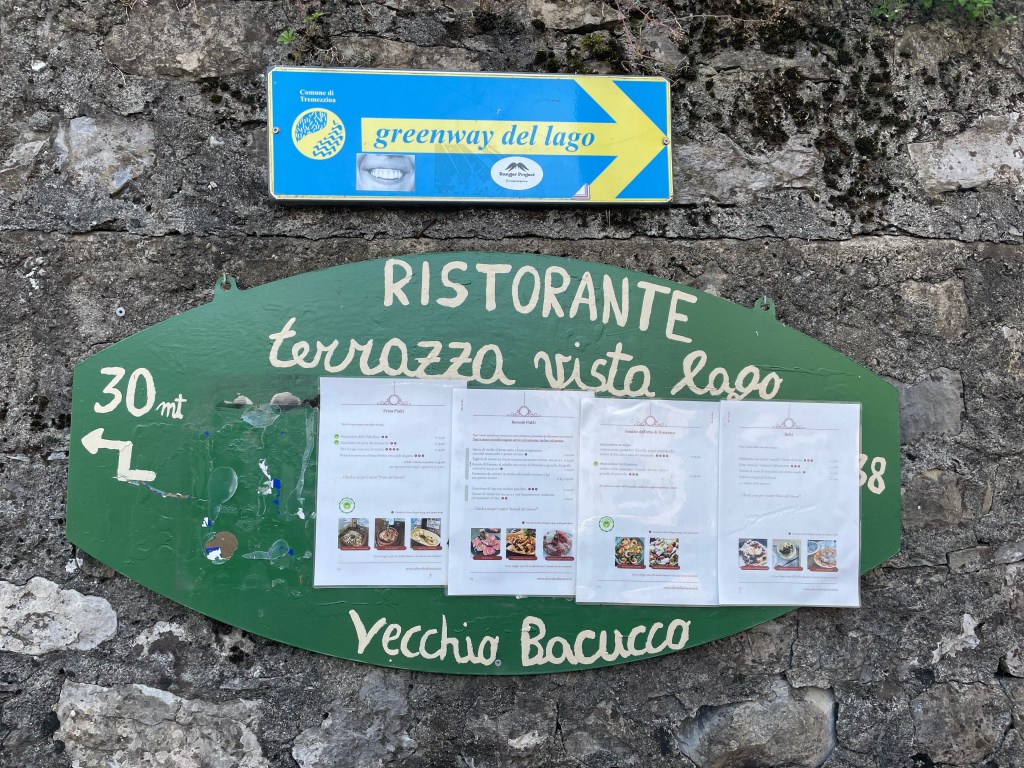
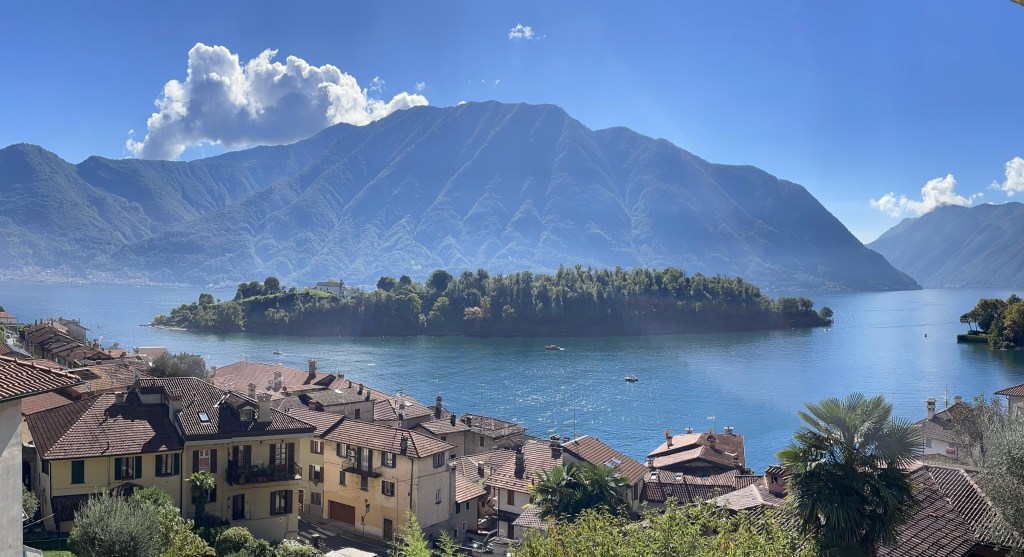
Some photos and snippets of our days in and around Como.
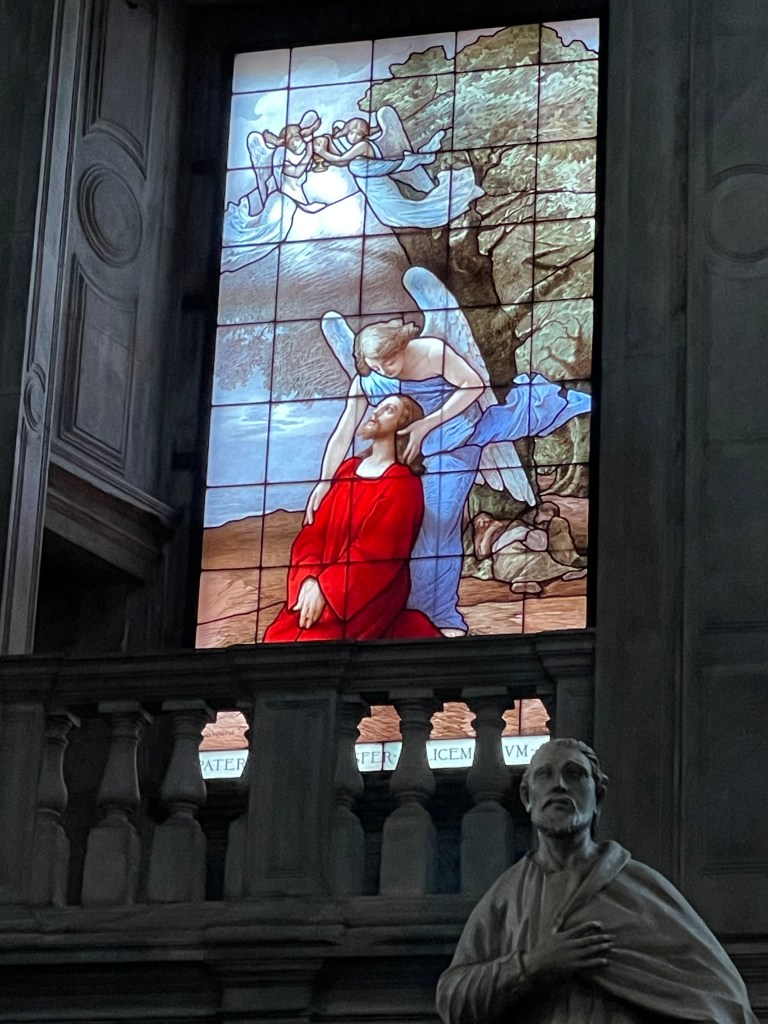
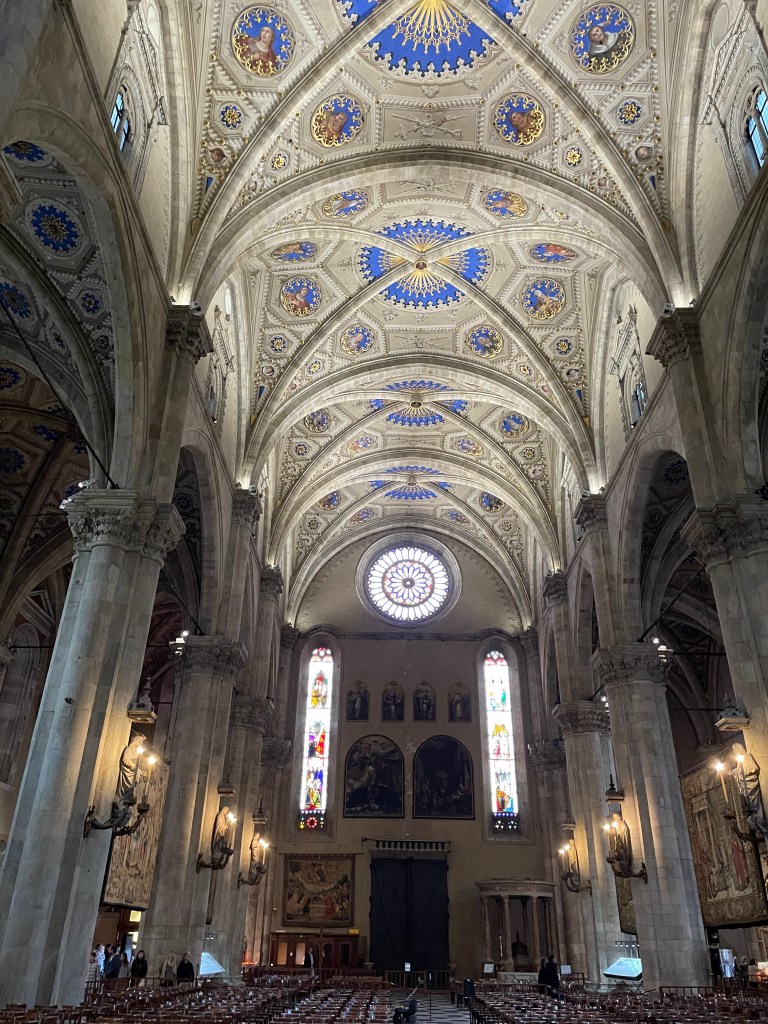
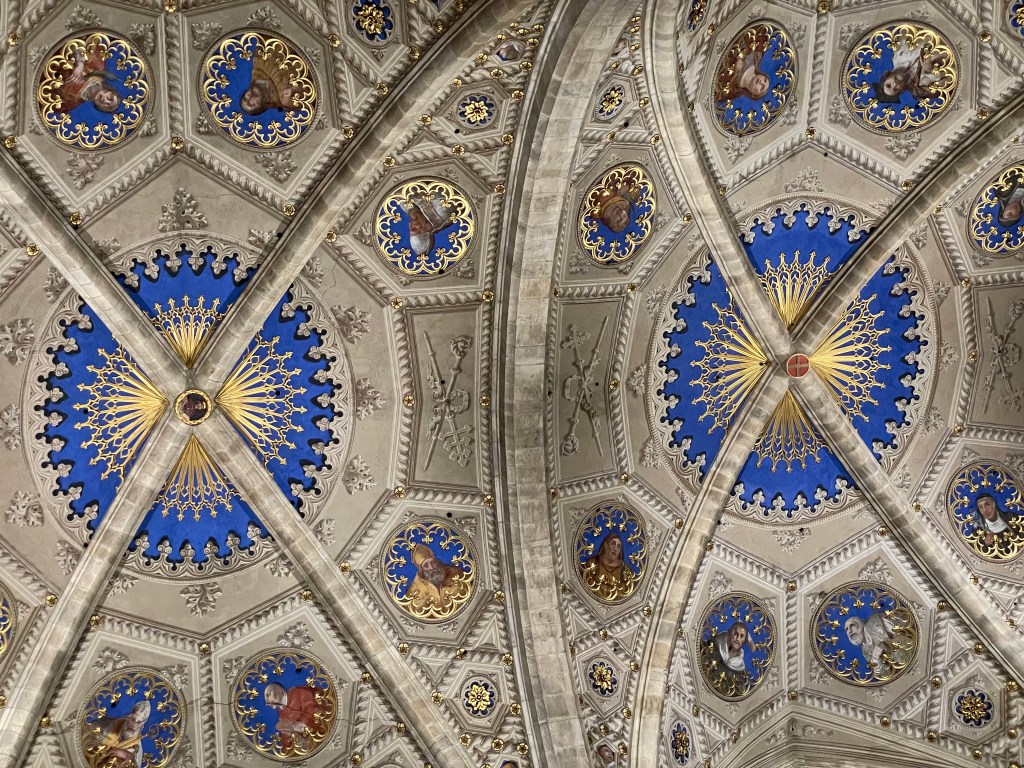
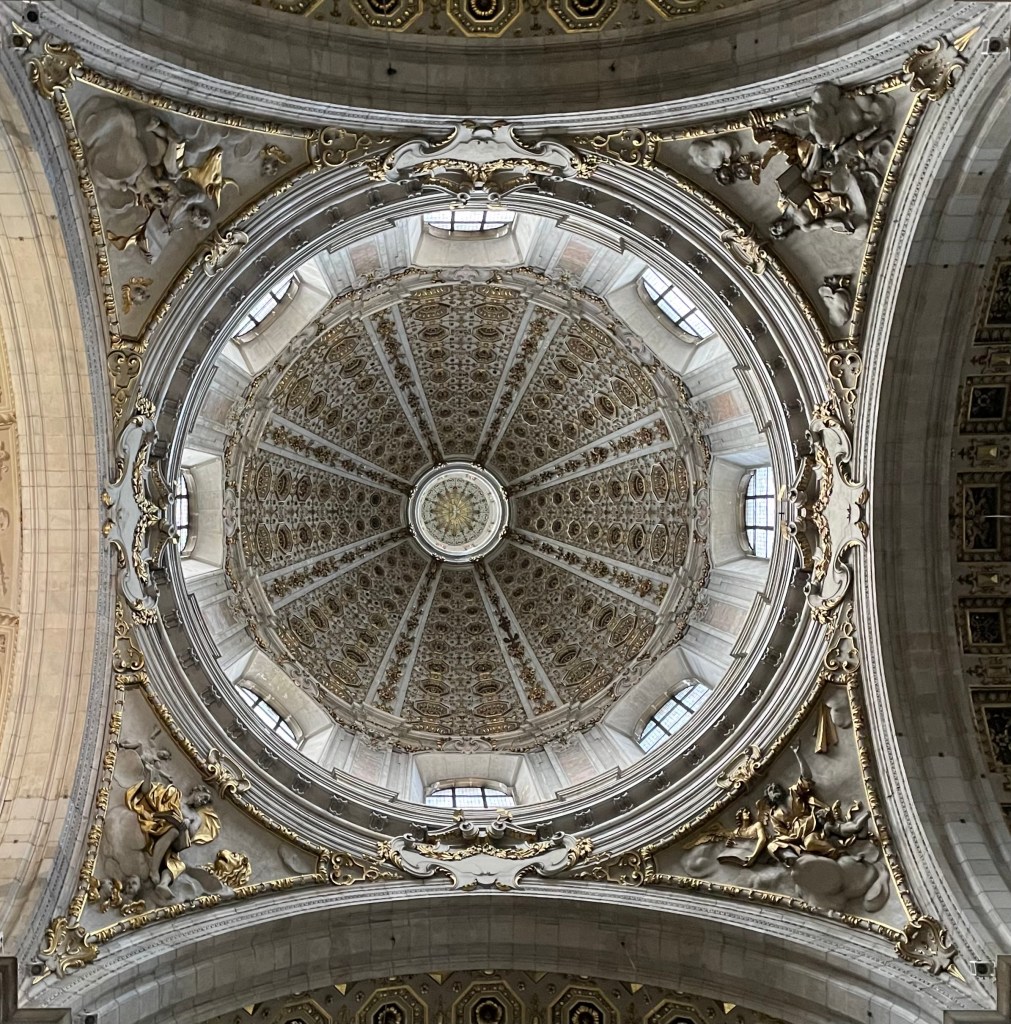
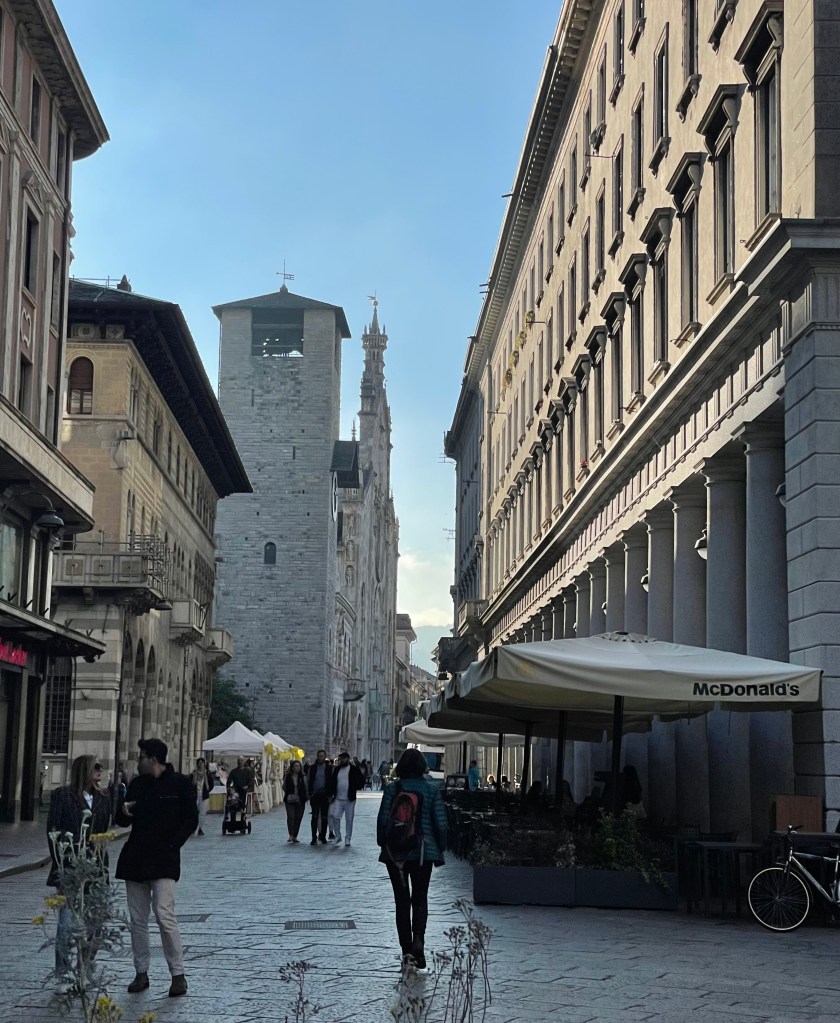
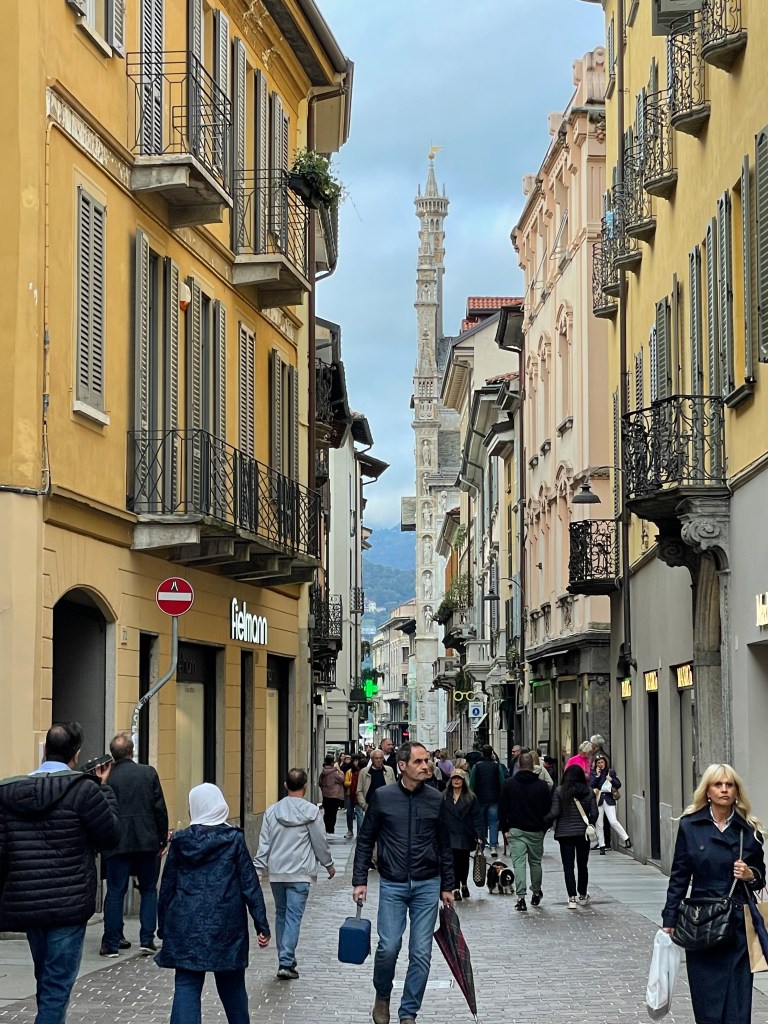
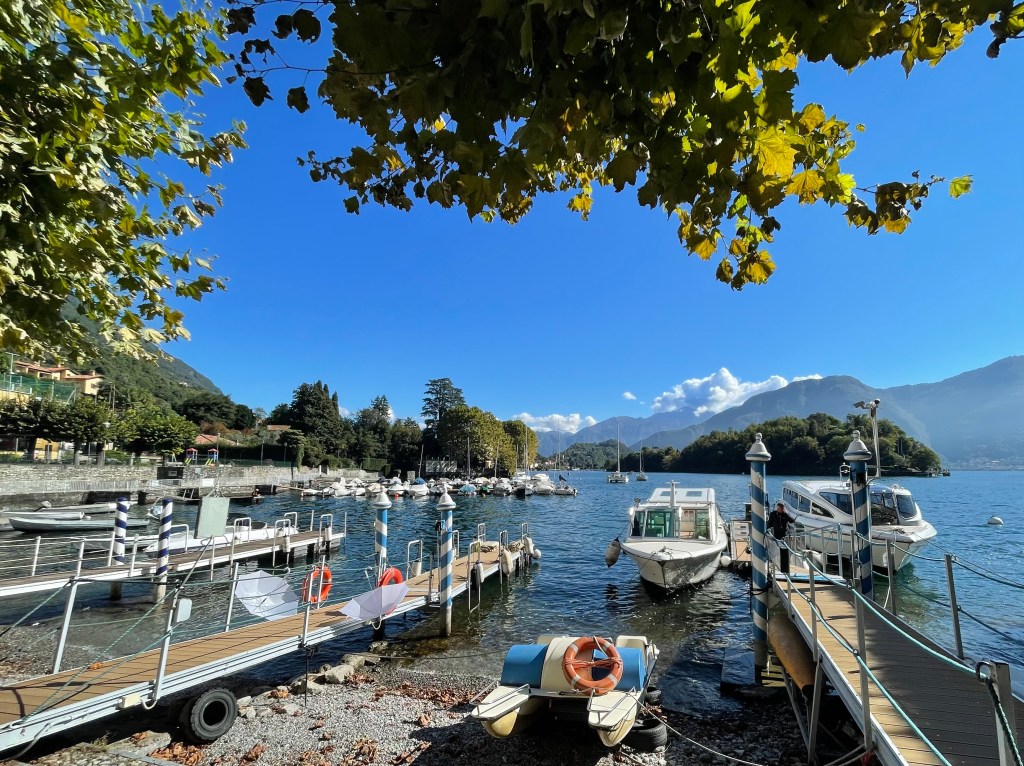
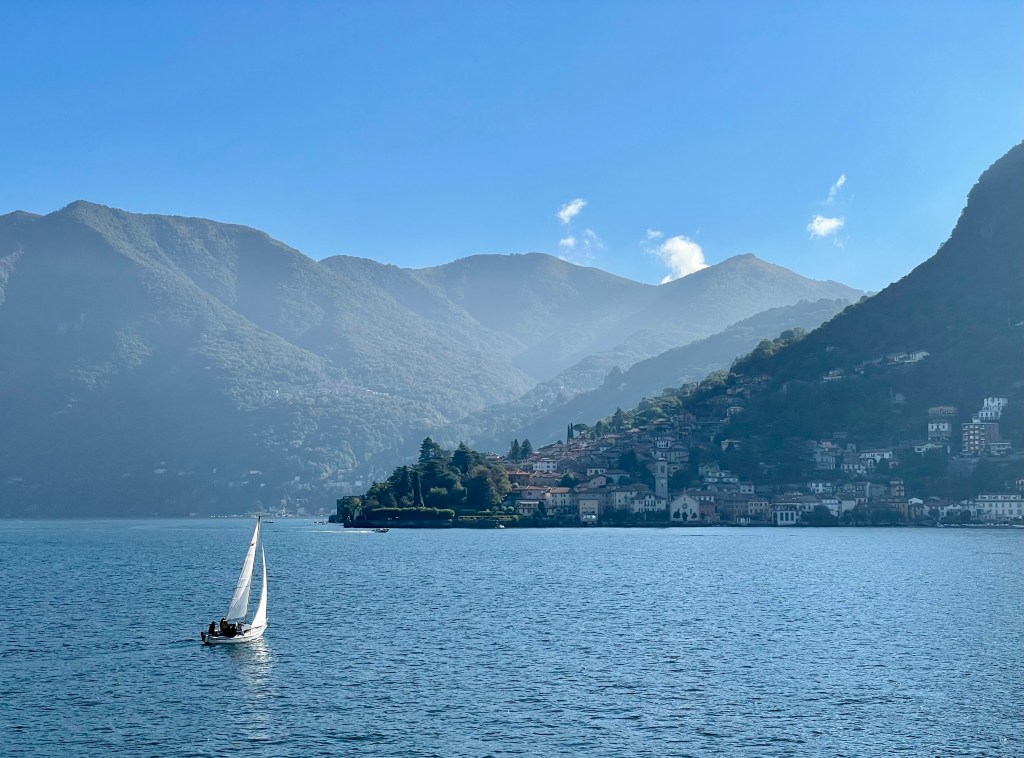
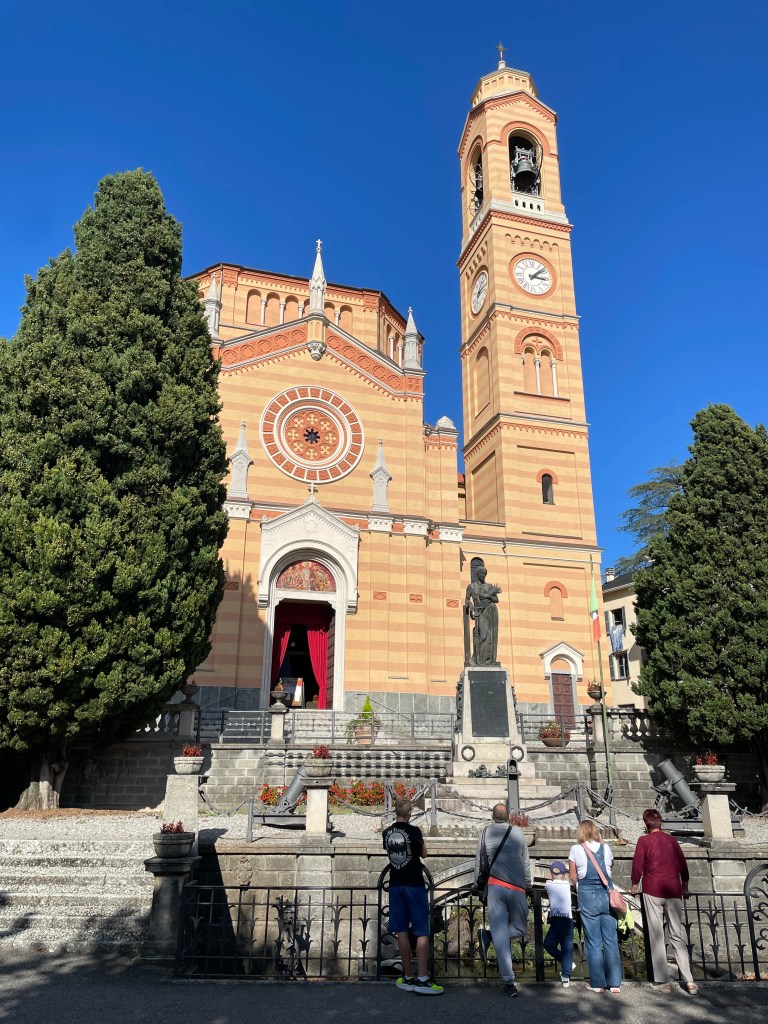
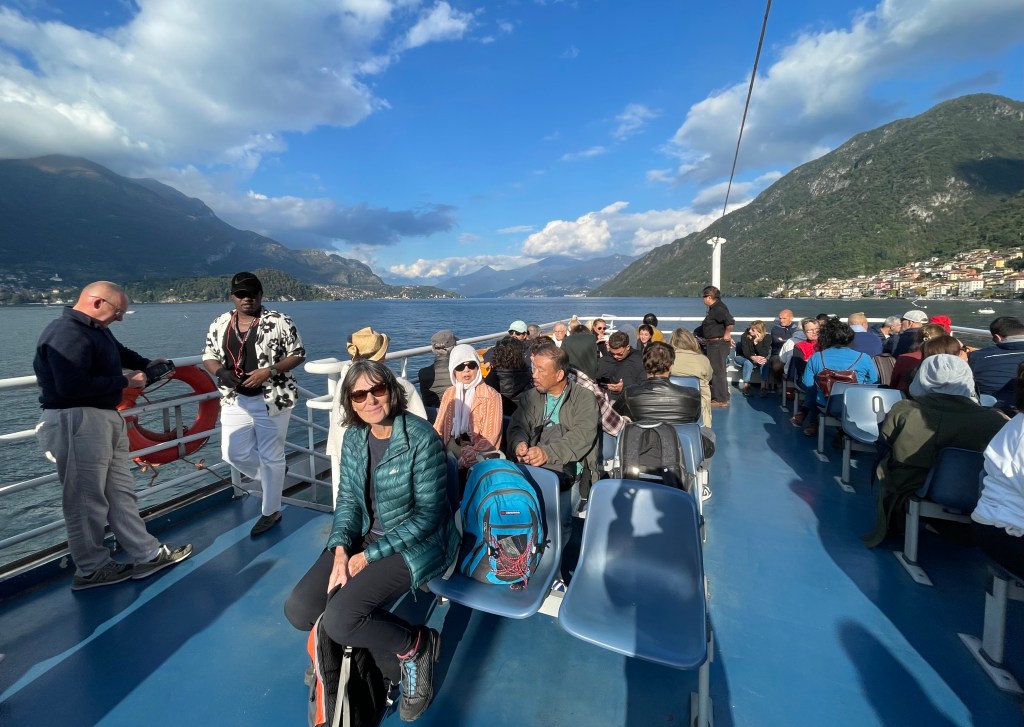
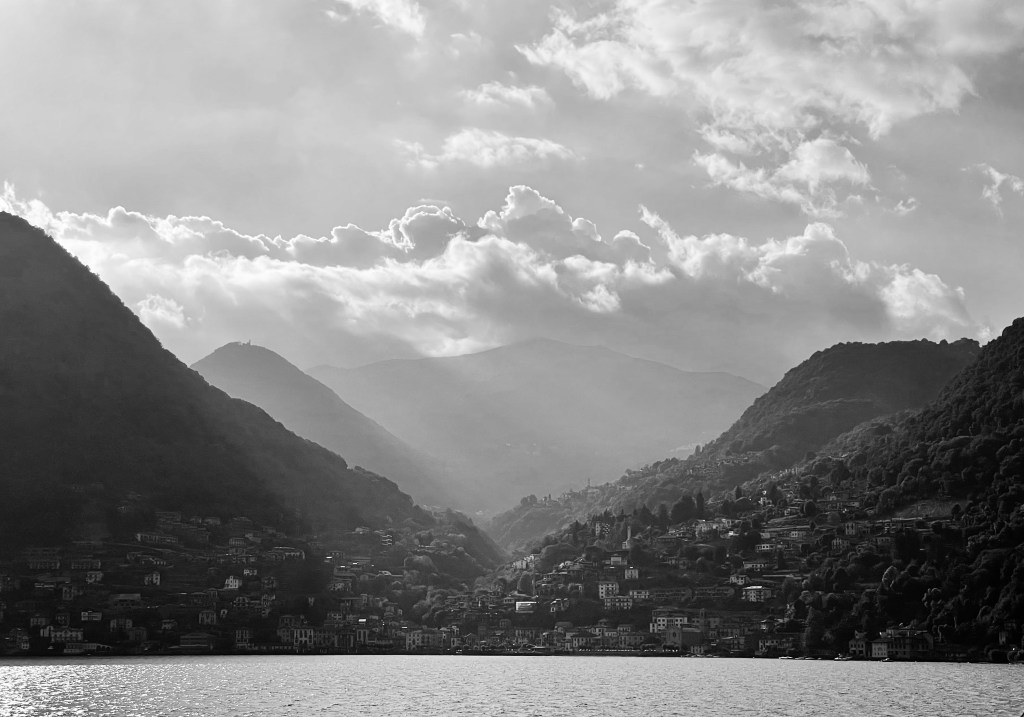
On our only sunny day, we caught a ferry to Sala Comacina to walk a section of the relatively leisurely and picturesque Greenway del Lago di Como, following part of the ancient Via Regina, a Roman road that once connected Como to regions beyond the Alps.
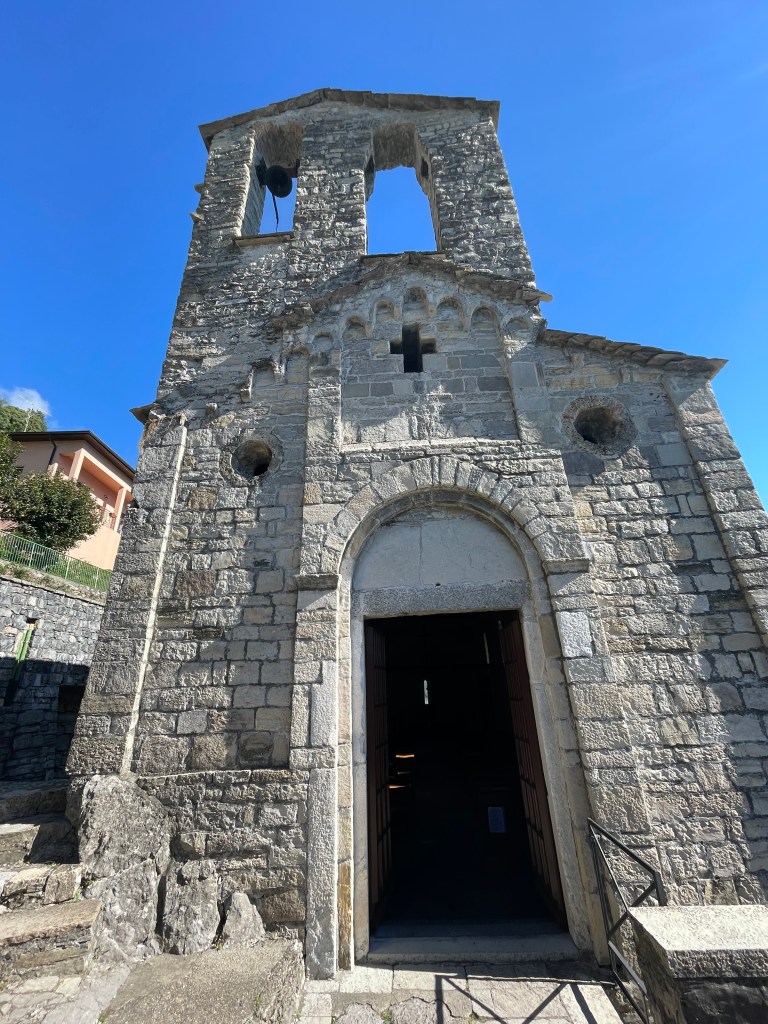
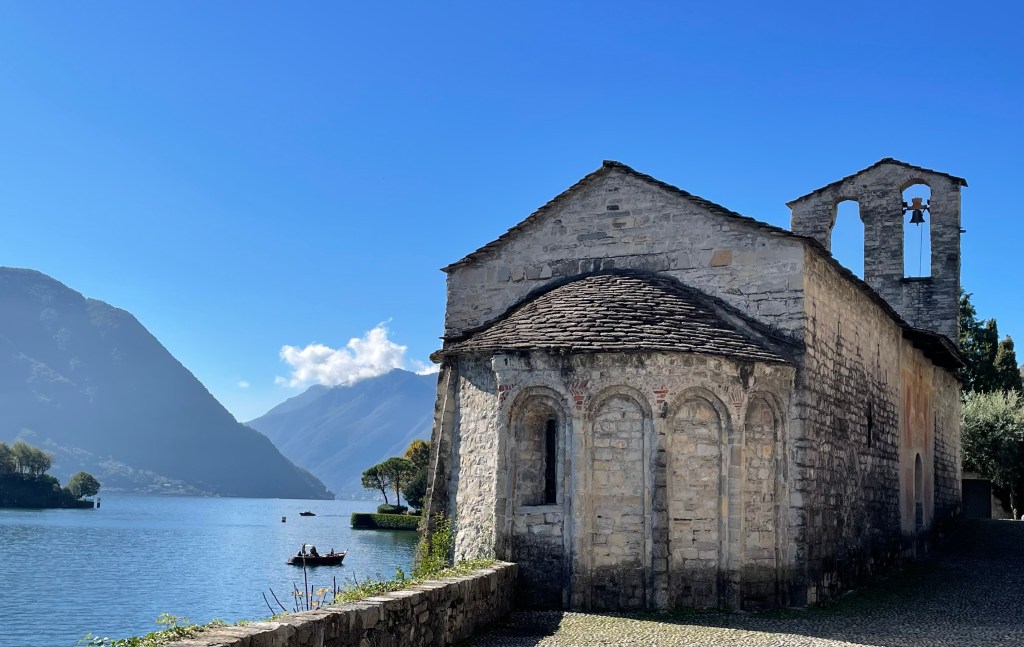
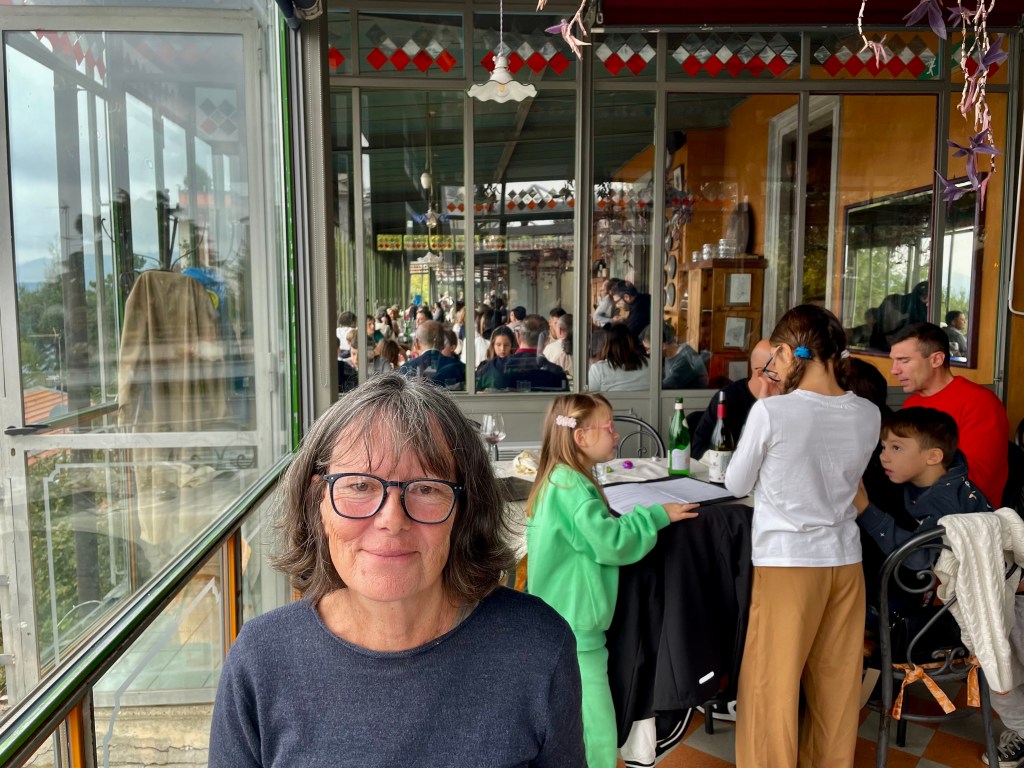
Squeezed between the towering cliffs of the Monti Lariani mountain range on one side and the crystal clear waters of Lago Como, we meandered for about 6km to Tremezzo along cobbled paths and laneways, in and out of charming little villages, stopping off at medieval churches, admiring beautiful gardens and villas, lingering in picture perfect bays, and eating delicious Milanese risotto at a local restaurant that has to be up there for best restaurant food and view on the lake.
Next day we rode the famous funicular linking Como with the village of Brunate. Operational since 1894, it takes 7 minutes to travel a little over a km, at inclines up to 55%.
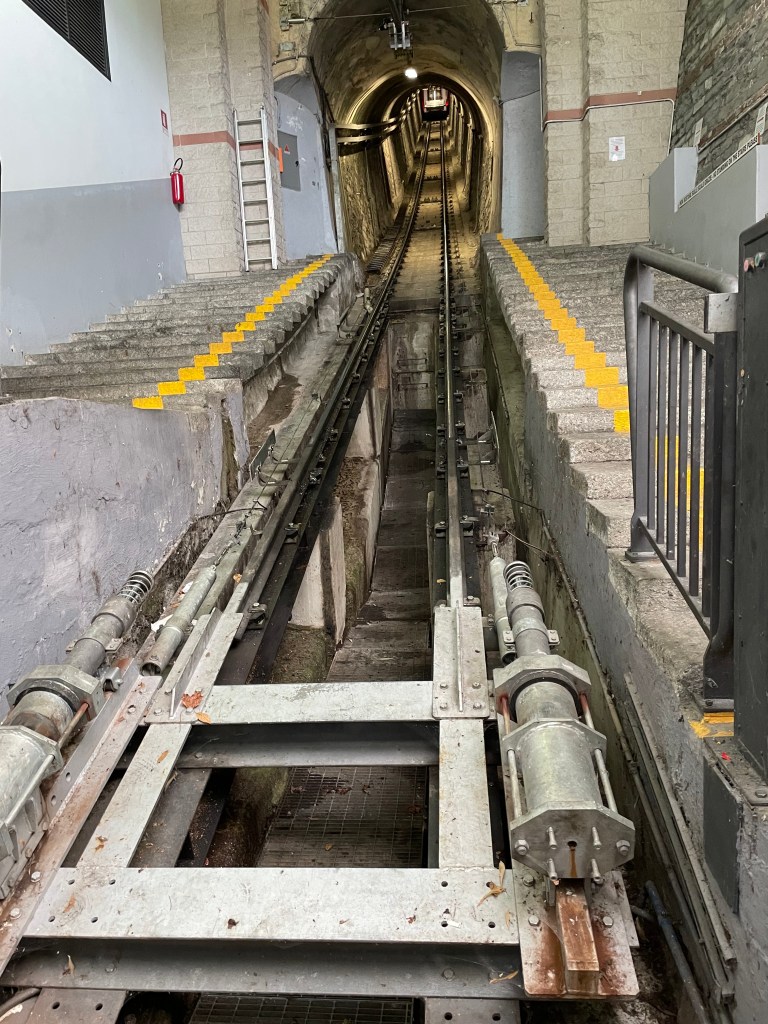
At the top, there are great panoramic views of Lake Como and the nearby mountains. There is also a lovely walk to the Faro Voltiano, a lighthouse dedicated to the renowned scientist Alessandro Volta, celebrated for his pioneering work in electricity, particularly the invention of the electric battery in 1800.


 By Bike
Leave a reply to kasper hupkes Cancel reply